
How to seal Sandstone
Sandstone should be sealed Every 1–2 years in most installations. Sealing creates a microscopic barrier that buys you time to wipe spills before they soak in. Here's the safe, simple way to do it yourself.
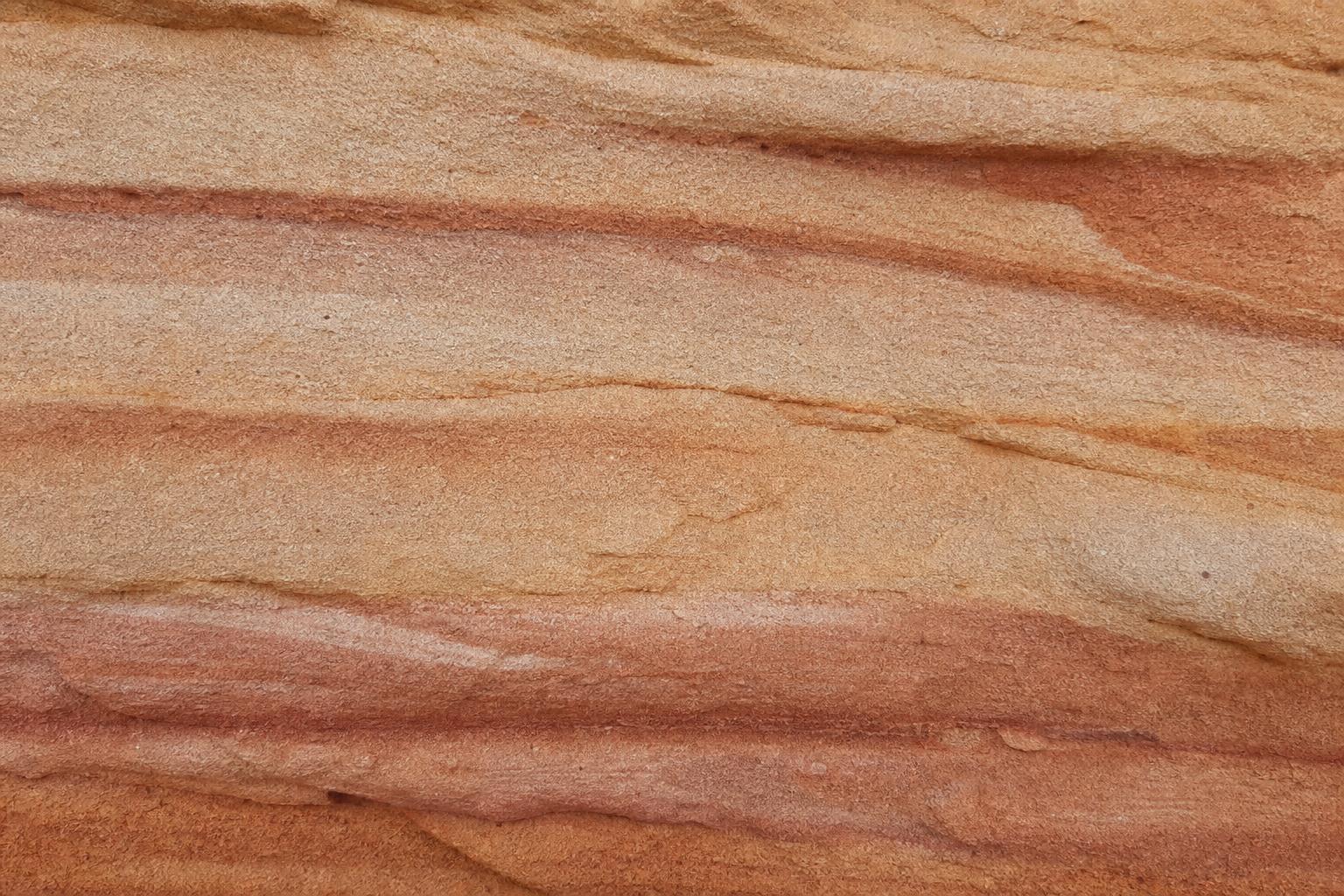
What you'll need
- • Penetrating (impregnating) stone sealer — fluoropolymer or silicone-based
- • Two clean microfiber cloths
- • Foam applicator or paint pad
- • Painter's tape to protect adjacent surfaces
Step-by-step
- 1Run the water test: drop a tablespoon of water on the surface and wait 5 minutes. If it darkens, you need to seal.
- 2Clean the stone with a pH-neutral cleaner and let it dry for at least 4 hours.
- 3Apply sealer with a foam applicator in even, overlapping strokes — don't flood it.
- 4Let it dwell on the surface per the bottle's instructions (usually 5–15 minutes).
- 5Apply a second coat the same way before the first dries.
- 6Buff off all excess with a clean microfiber — leftover sealer leaves haze and streaks.
- 7Avoid water and use for 24 hours so the sealer cures fully.
Do not use
- Topical wax or 'shine' products — These sit on the surface, scratch, and trap dirt. Use a penetrating sealer.
- Sealer on engineered quartz — Quartz is non-porous — sealer can't penetrate and will leave a hazy film.
- Old or dirty applicators — Contaminants cause uneven coverage and dull spots.
When to call a pro
If sealer is beading inconsistently, the stone darkens permanently after sealing, or you have a large floor — pros use commercial-grade sealers and machine application.
Identify your stone & get a quote