
Stone care guides
Practical, step-by-step guides for keeping every kind of natural stone looking its best — from a daily wipe-down to a full repair.
Cleaning
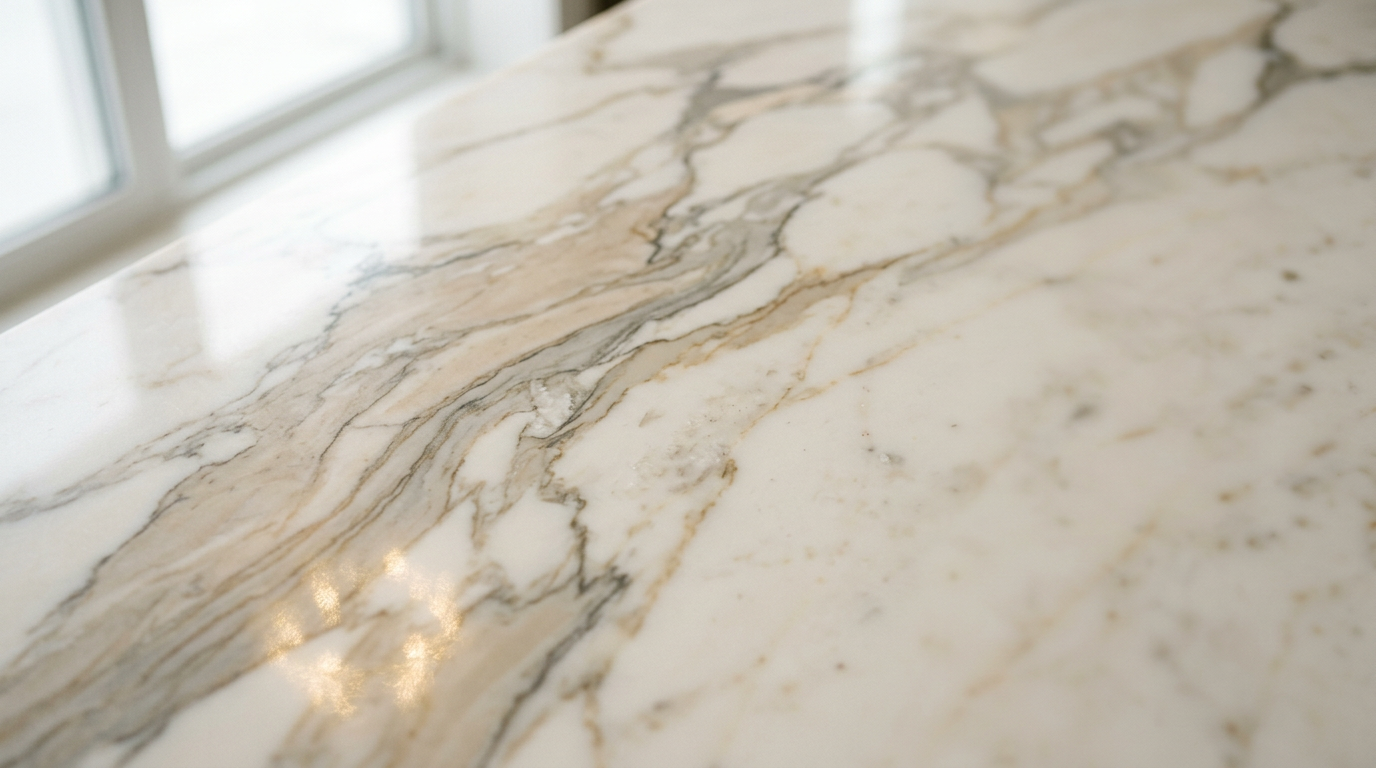
How to clean Marble
Marble is acid-sensitive — even a splash of lemon, vinegar, or wine can etch it. Here's the pH-neutral routine that won't dull the polish.
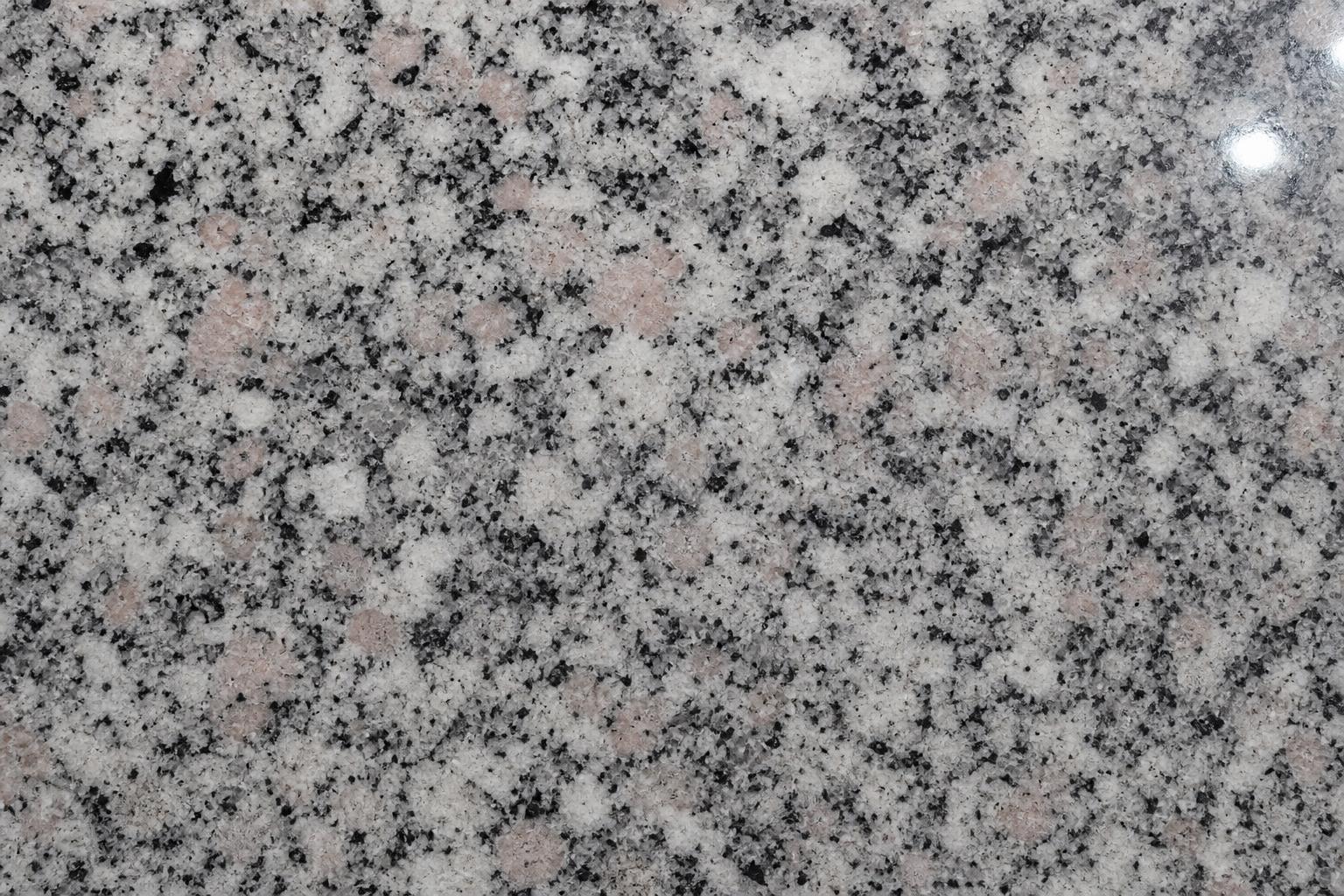
How to clean Granite
Granite is durable but its sealer isn't — harsh cleaners strip it in months. The right daily wipe-down keeps both the stone and the seal intact.
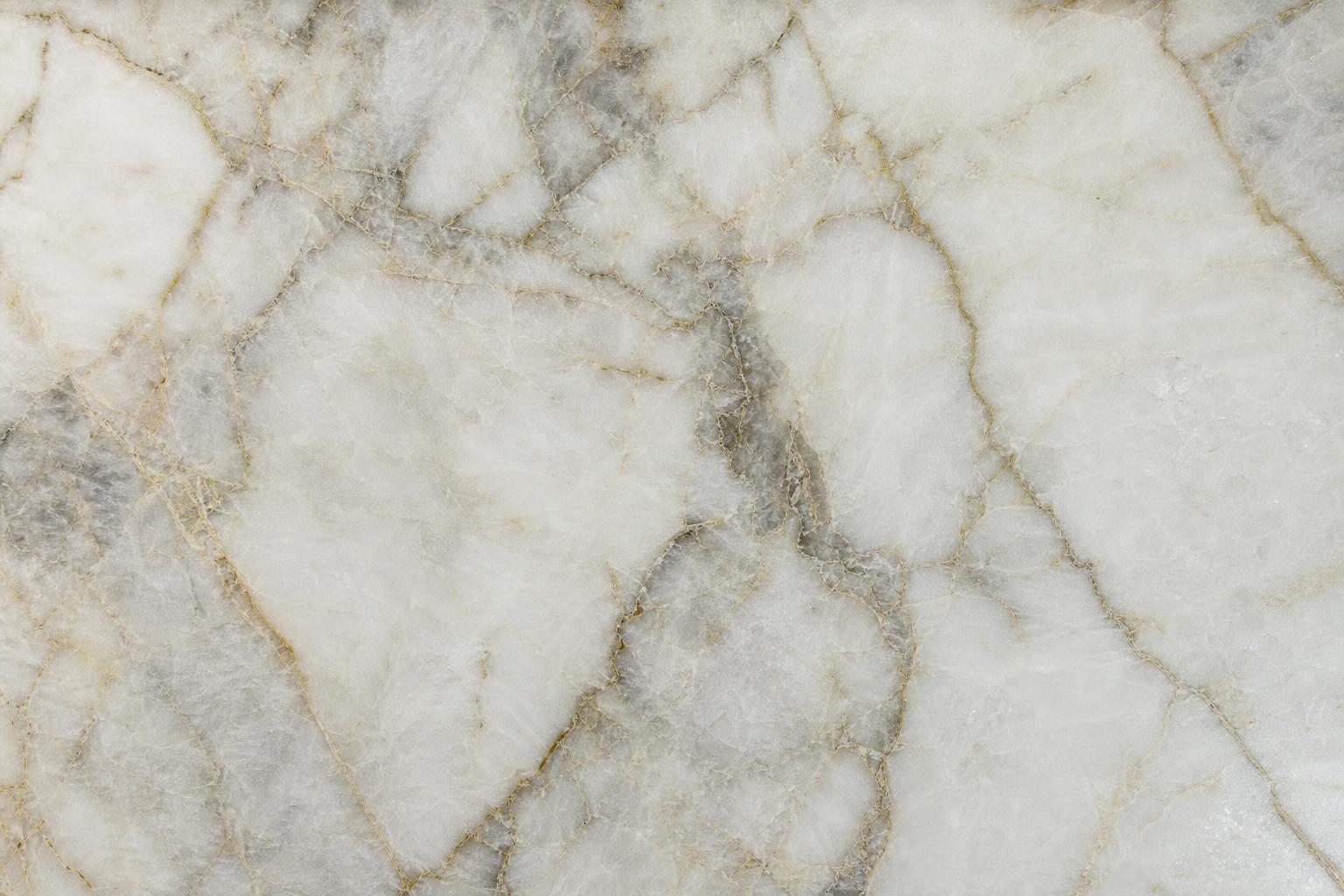
How to clean Quartzite
True quartzite is harder than granite but still benefits from neutral cleaning. Skip the citrus sprays and you'll keep its glassy finish.
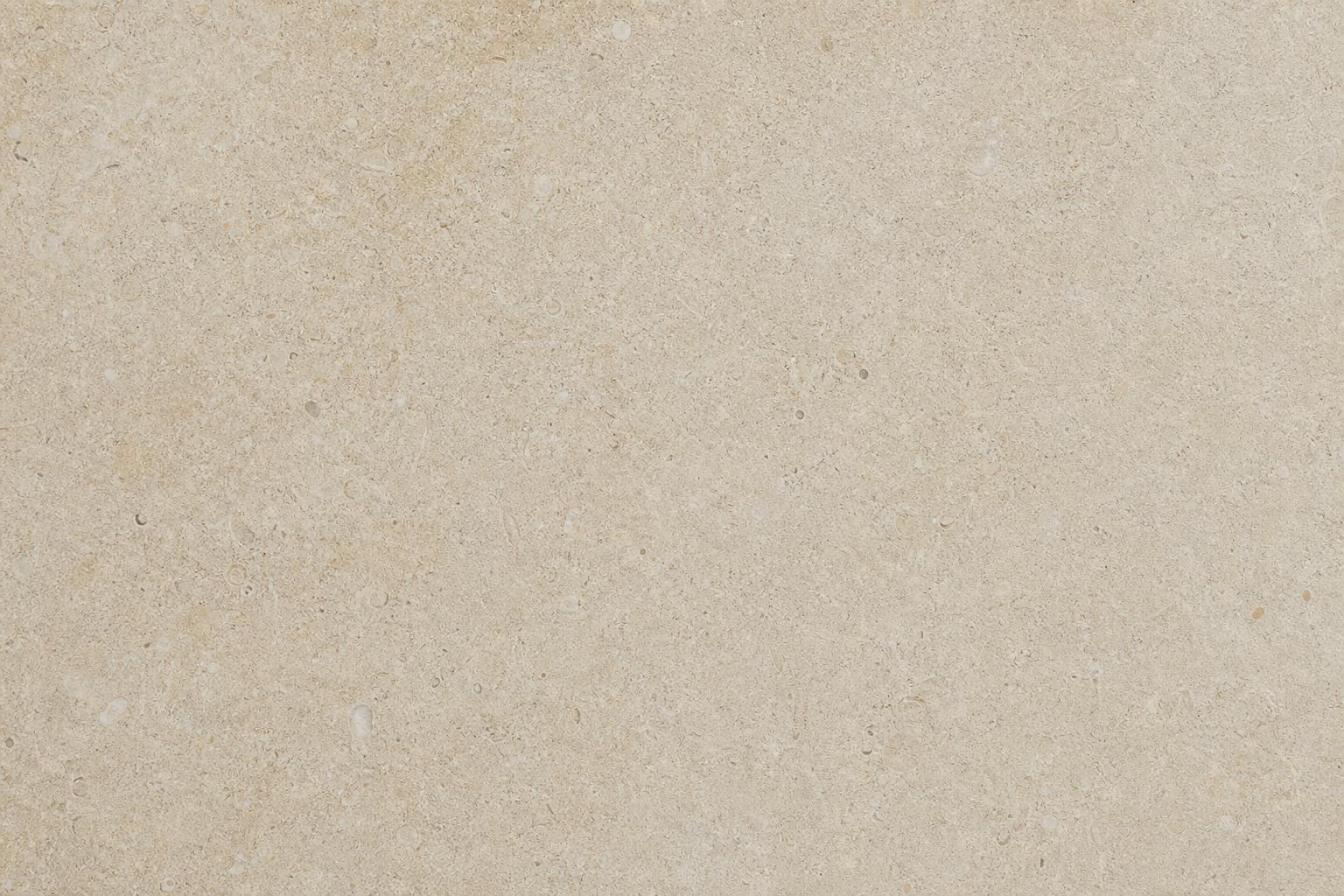
How to clean Limestone
Limestone is porous and reacts to acid like marble. A soft, neutral cleaner is the only safe choice — here's the routine and what to avoid.
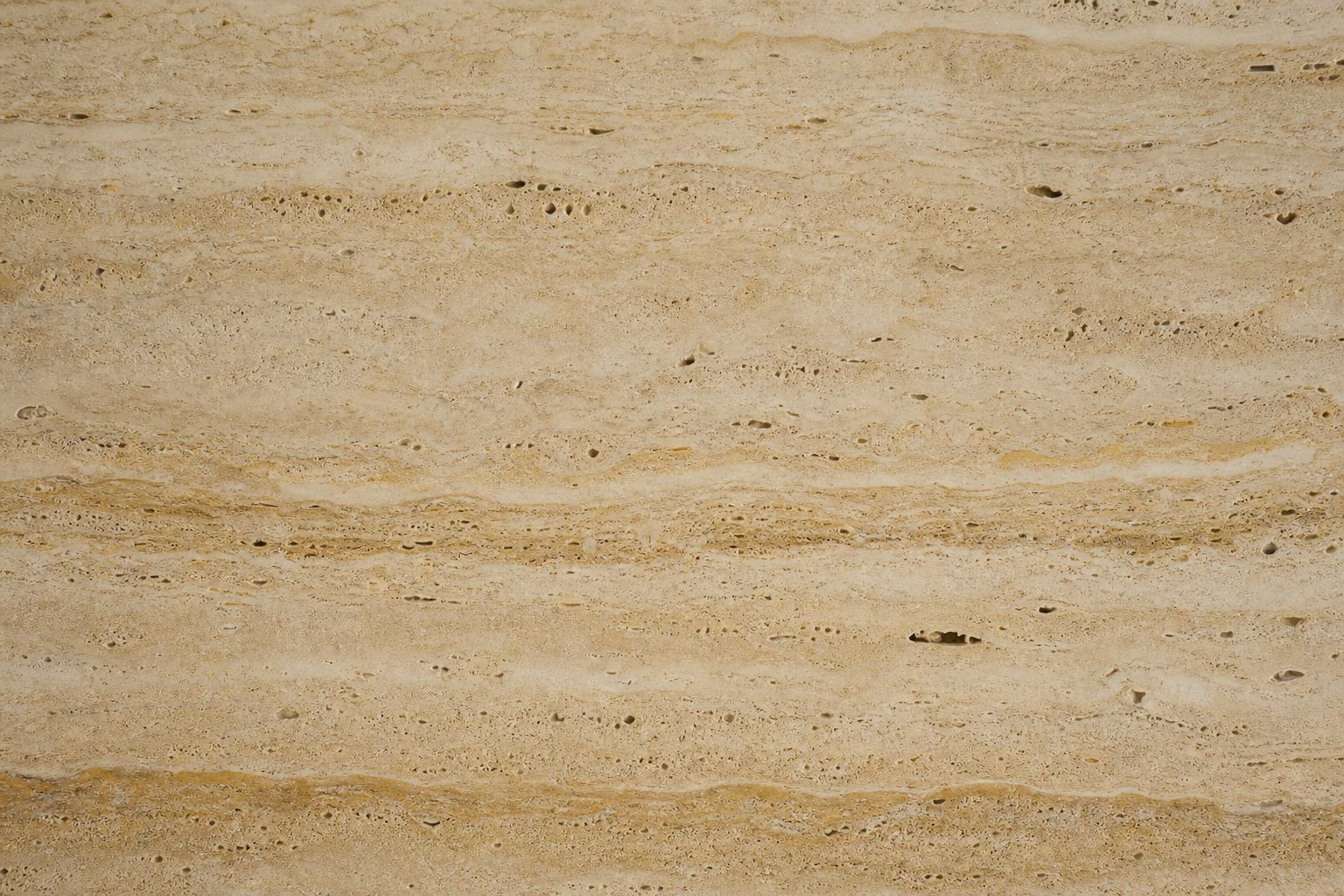
How to clean Travertine
Travertine's natural pits trap dirt and acid. The right cleaning method lifts grime without forcing it deeper into the stone.
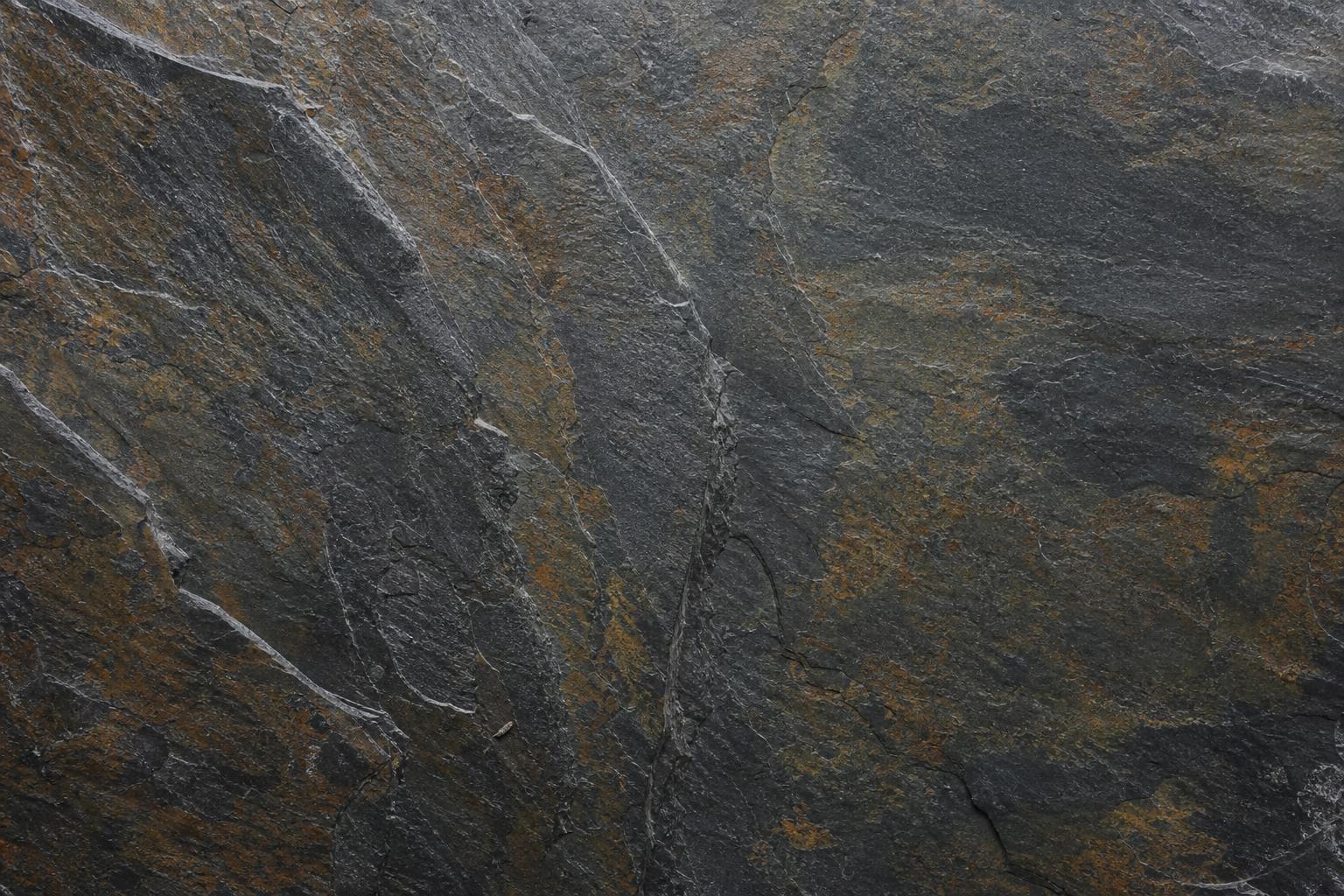
How to clean Slate
Slate is forgiving but flaky — aggressive scrubbing peels off layers. A gentle damp-mop routine keeps the texture and color intact.
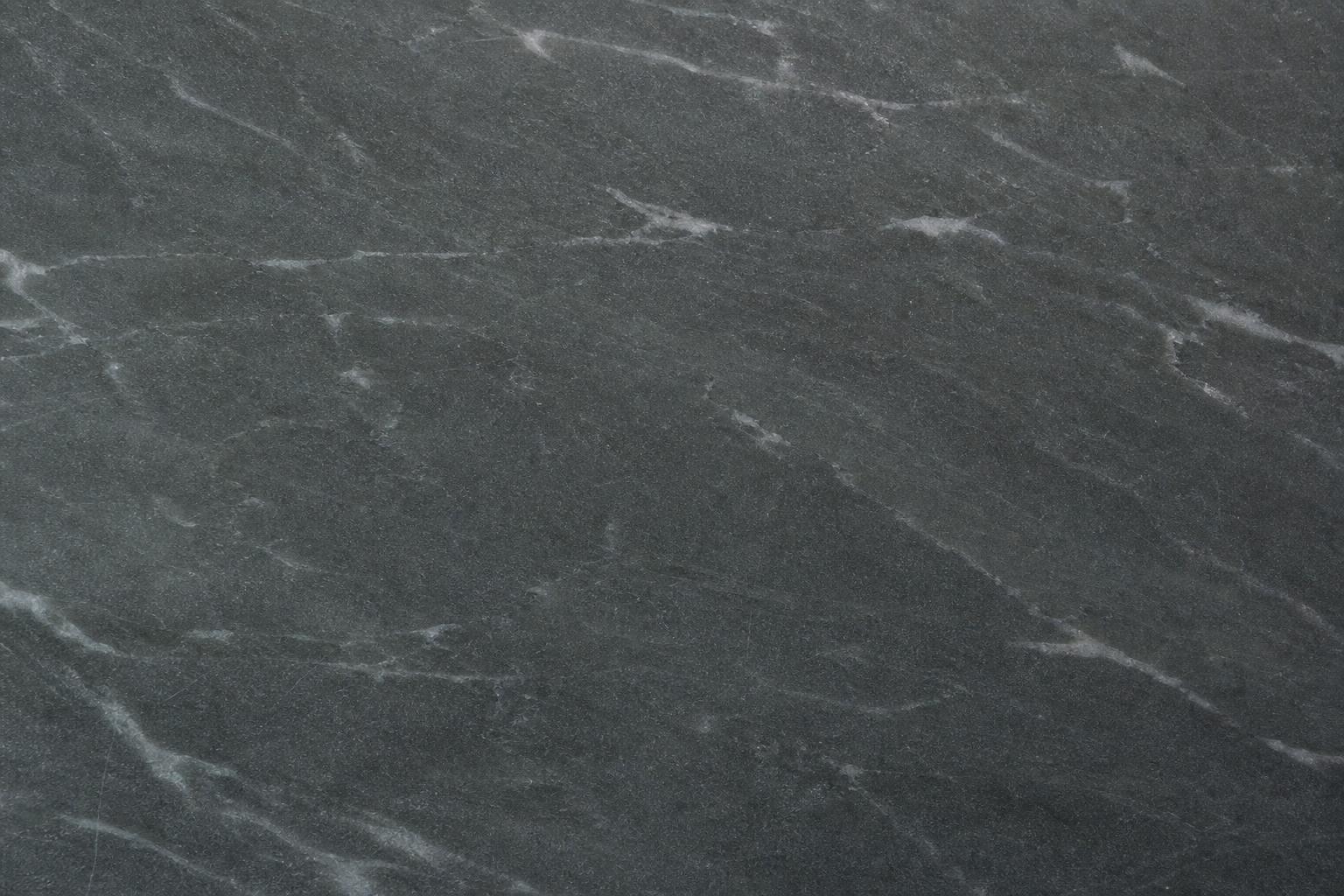
How to clean Soapstone
Soapstone is non-porous and easy to clean, but mineral oil care changes the rules. Here's how to wipe down without stripping the patina.
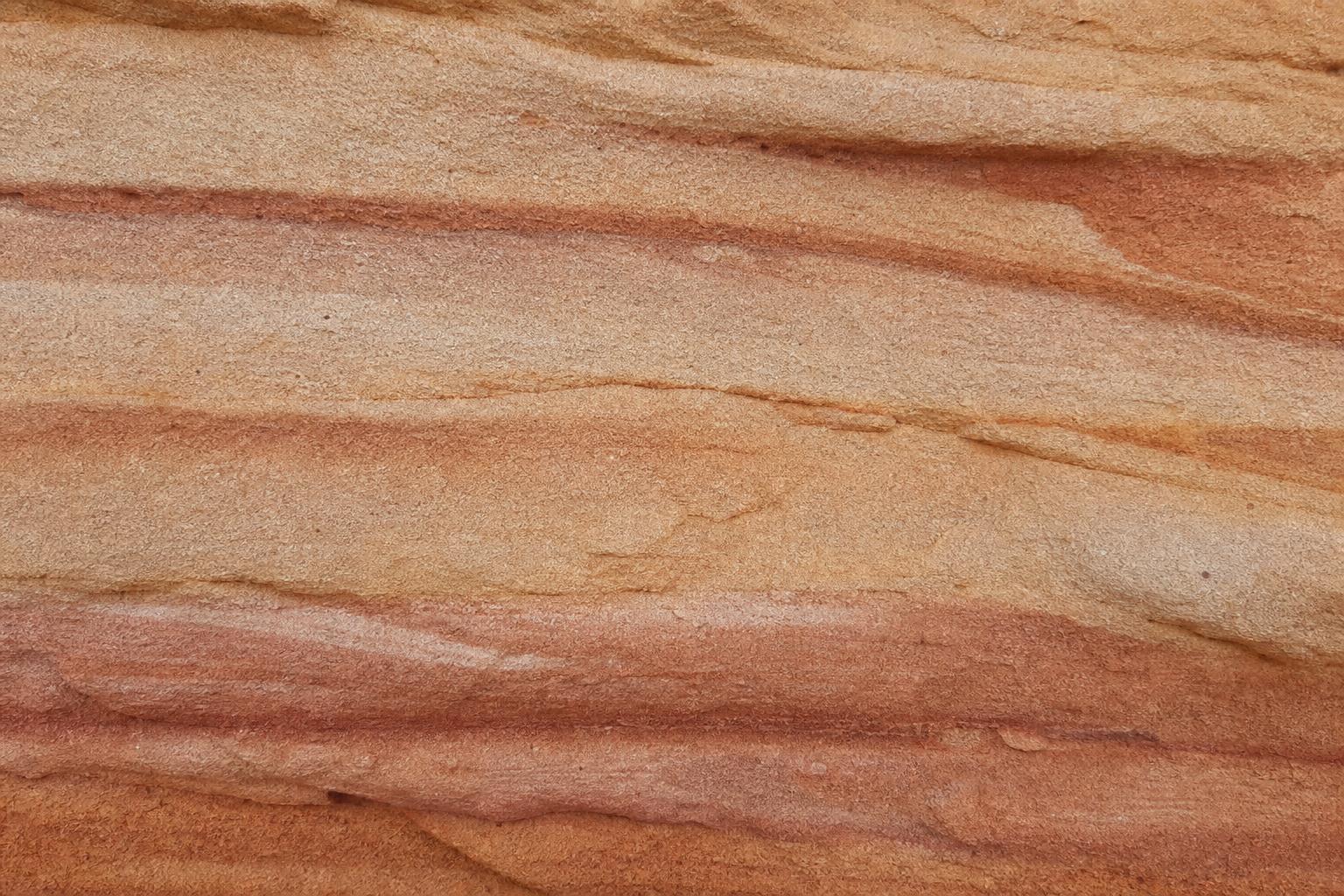
How to clean Sandstone
Sandstone is highly porous and stains fast. The cleaning method matters less than how quickly you blot — here's the right routine.
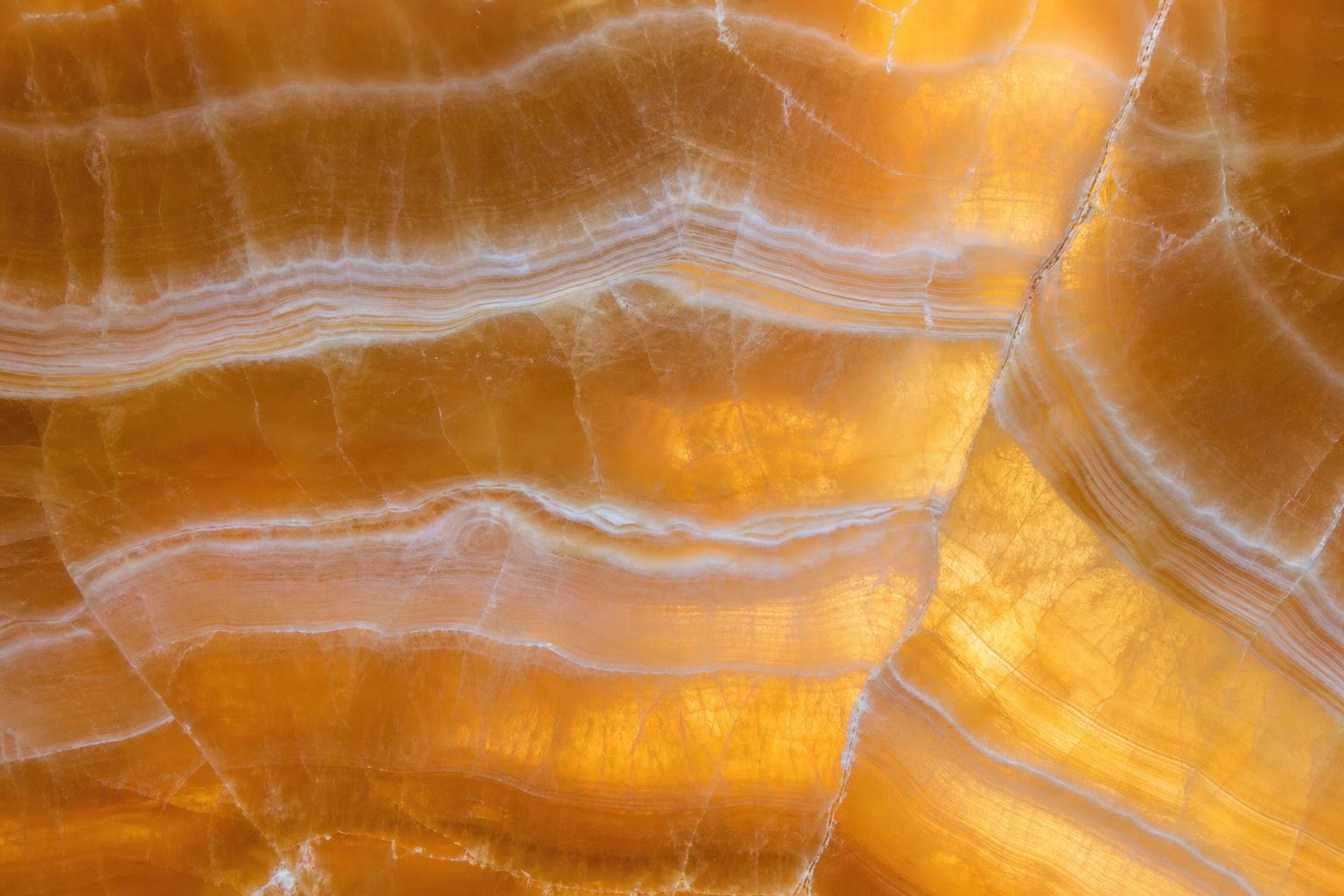
How to clean Onyx
Onyx is soft, acid-sensitive, and often backlit — visible streaks are unforgiving. A microfiber + neutral cleaner routine is the only way.
How to clean Engineered Quartz
Engineered quartz is durable, but its resin binder hates bleach, abrasives, and direct heat. Here's the daily routine that keeps the surface flawless.
Sealing
How to seal Marble
Marble drinks water and oil faster than most stones. Test, seal, dwell, wipe — here's the full process and how often to repeat.
How to seal Granite
Some granites need yearly sealing; others go five years. The water test tells you for sure — then this is exactly how to apply.
How to seal Quartzite
Many slabs sold as quartzite are actually marble. The water test is your first move — here's how to seal it once you've confirmed.
How to seal Limestone
Limestone needs more frequent sealing than marble — sometimes twice a year. Use this sealer choice and dwell time to get it right.
How to seal Travertine
Filled and unfilled travertine seal differently. Here's how to handle the pits and the field, and how to know when it's time to reseal.
How to seal Slate
Slate sealing changes the look — enhancers darken the stone, topical sealers add sheen. Pick the right one before you apply.
How to seal Sandstone
Sandstone is extremely porous and needs aggressive sealing, sometimes two coats. Here's how to flood-seal without leaving a hazy residue.
How to seal Onyx
Onyx is fragile and translucent — the wrong sealer leaves visible patches under the light. Here's the conservative approach that works.
Polishing
How to polish Marble
Marble polishing powder fills micro-scratches and brings back the gloss. Here's the DIY method and when the damage is past saving.
How to polish Granite
Granite polishing is mostly about the sealer haze — true repolishing is a pro job. Here's what you can DIY versus what to hand off.
How to polish Quartzite
Real quartzite resists polishing because it's so hard — diamond pads are the only option. Here's the DIY route and the realistic limits.
How to polish Limestone
Limestone holds a honed finish better than a polished one. Here's how to restore the soft sheen most owners actually want.
How to polish Travertine
Polishing travertine means filling pits first, then buffing the field. Skip the prep and you'll just highlight every hole.
How to polish Onyx
Onyx polishing is high-risk — too much pressure cracks the slab. Here's the careful approach and when to stop and call a pro.
Stain removal
How to remove oil stains from Marble
Oil sinks into marble fast and darkens the stone. A baking soda poultice draws it back out — here's the recipe and dwell time.
How to remove wine stains from Marble
Red wine stains marble within minutes. Hydrogen peroxide poultice + the right wait time pulls the color back out of the pores.
How to remove rust stains from Marble
Rust on marble is one of the toughest stains — and acid removers destroy the finish. Here's the only stone-safe method that actually works.
How to remove water rings stains from Marble
Water rings on marble are usually etch marks, not stains. Here's how to tell the difference and the polishing-powder fix for both.
How to remove oil stains from Granite
Granite's sealer slows oil absorption, but it doesn't stop it. A baking soda poultice lifts the stain out without harming the seal.
How to remove wine stains from Granite
Sealed granite resists wine, but old or worn seal lets it through. Hydrogen peroxide poultice — here's the safe approach for granite specifically.
How to remove rust stains from Granite
Rust on granite usually means iron deposits inside the stone, not just on the surface. Here's the slow poultice method and when it won't fully clear.
How to remove water rings stains from Granite
Water rings on granite are almost always trapped minerals or worn sealer. Identify which one — then apply the right fix.
How to remove oil stains from Limestone
Limestone is highly porous and oil migrates underground fast. Multiple poultice cycles are usually needed — here's the patient method.
How to remove wine stains from Limestone
Wine and limestone are a nightmare combo — both stain and etch. Lift the color first, then deal with the dull spot. Here's the order.
How to remove rust stains from Limestone
Rust on limestone calls for the gentlest possible poultice. Skip the iron removers — they'll dissolve the stone along with the stain.
How to remove water rings stains from Limestone
Most water rings on limestone are etch marks. Here's the test to confirm, and the gentle polish that restores the sheen.
How to remove oil stains from Travertine
Travertine's pits trap oil deep — a single poultice rarely works. Here's the layered method that gets it out for good.
How to remove wine stains from Travertine
Wine pools in travertine pits and stains both deep and wide. Treat the pit and the field separately — here's the technique.
How to remove rust stains from Travertine
Rust on travertine sits inside the natural cavities. The gentlest poultice and the longest dwell time — that's the only path.
How to remove water rings stains from Travertine
Water rings on travertine usually mean mineral deposit, not damage. Here's the safe descaling approach that won't strip the finish.
Repair
How to repair etch marks on Marble
Etch marks are dissolved spots, not stains — polishing powder is the fix. Here's the DIY method and the etch depth that means you call a pro.
How to repair scratches on Marble
Light scratches on marble buff out with fine compound. Here's the technique that won't create a glossy "patch" visible in the light.
How to repair chips on Marble
Chips on marble are repaired with color-matched stone epoxy, not glue. Here's how to mix the color and feather the fill flush.
How to repair etch marks on Granite
True etching on granite is rare — most "etches" are sealer damage. Here's how to tell the difference and the fix for each.
How to repair scratches on Granite
Granite scratches are hard to make and harder to fix — they usually need diamond pads. Here's what you can do at home and what needs a pro.
How to repair chips on Granite
Chipped granite edges are common around sinks. Stone epoxy + color match is the standard fix — here's how to get the color invisible.
How to repair etch marks on Limestone
Limestone etches more easily than marble. Polishing powder works, but only on honed finishes — here's the right approach for each finish.
How to repair scratches on Limestone
Limestone scratches blend more easily because the stone is uniform. Fine compound + light pressure — here's the method.
How to repair chips on Limestone
Limestone chips often crumble at the edges. Stabilize first, then fill with color-matched epoxy. Here's the order.
How to repair etch marks on Travertine
Etch marks on travertine often look like new pits. Polishing powder works on filled areas — here's how to tell when it's time to refill instead.
How to repair scratches on Travertine
Travertine scratches are usually deeper than they look. Fine compound buffs the surface but won't touch deep gouges — here's the threshold.
How to repair chips on Travertine
Travertine chips at the edges of natural pits constantly. Color-matched epoxy is the answer — here's how to keep it from looking like a patch.