How to clean Limestone
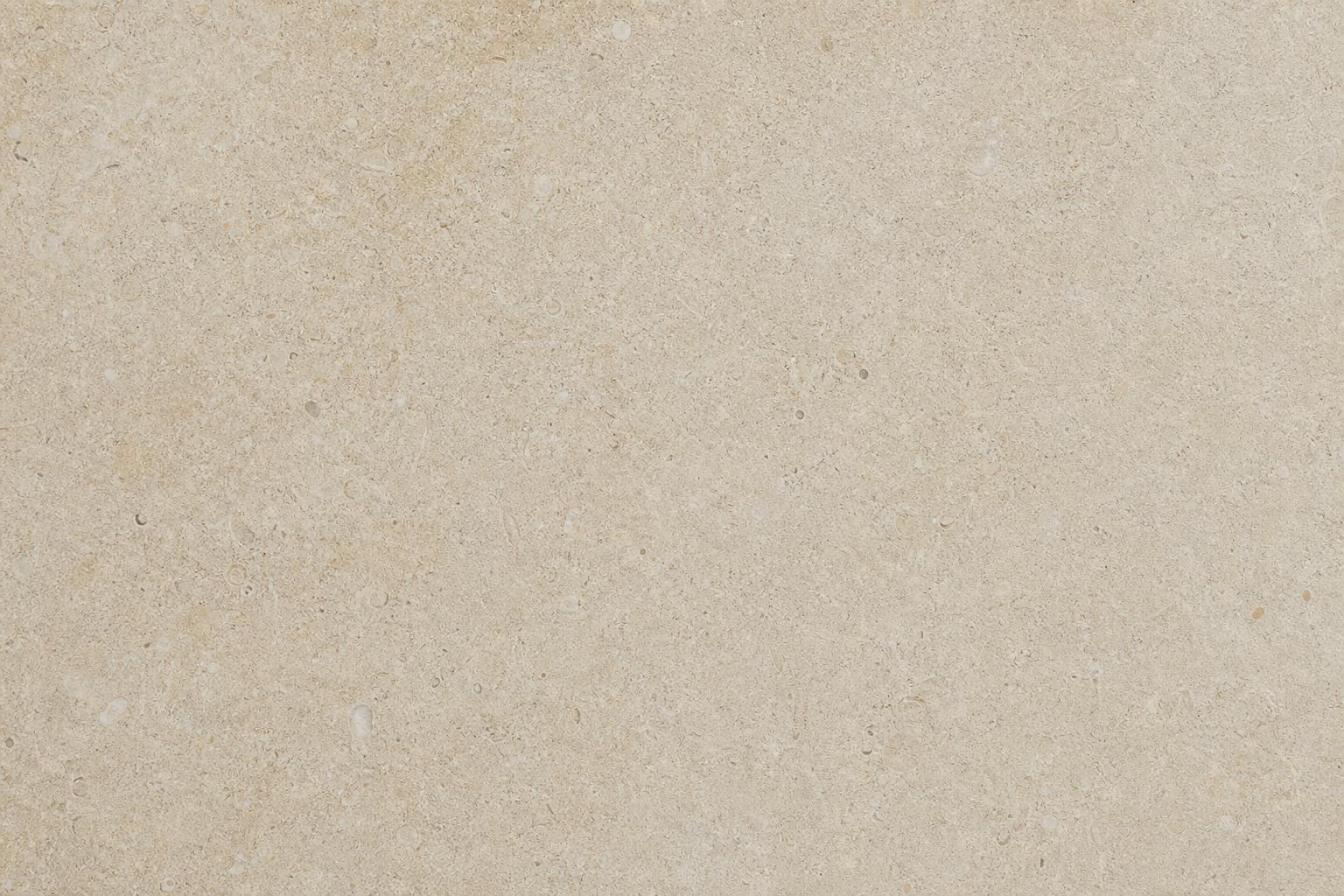
Cleaning limestone comes down to one rule: pH-neutral cleaners and soft tools. Limestone is a sedimentary stone, often containing fossil fragments. It is softer than marble and even more reactive to acids, which gives floors and walls an aged, quarried look over time.
What you'll need
- • pH-neutral stone cleaner (or a few drops of dish soap in warm water as a backup)
- • Two soft microfiber cloths
- • Warm distilled water
- • Soft bristled brush for textured surfaces
Step-by-step
- 1Dust or sweep loose debris off the surface — grit acts like sandpaper under a cloth.
- 2Spray the stone cleaner directly on the surface (not the cloth) and let it dwell 15–30 seconds.
- 3Wipe with a damp microfiber in light overlapping passes — never scrub.
- 4Rinse with a clean cloth and warm distilled water to remove cleaner residue.
- 5Buff dry with the second microfiber to prevent water spots.
- 6pH-neutral stone cleaner; never acidic.
Do not use
- Vinegar, lemon, or any acidic cleaner — Acid etches limestone permanently — leaves dull, lighter spots.
- Bleach — Strips sealer and can discolor the surface.
- Abrasive scrub pads or scouring powder — Scratches the finish.
- All-purpose sprays not labeled stone-safe — Most contain solvents or acids that damage natural stone.
When to call a pro
Etches, deep scratches, and large stains usually need professional restoration.
Identify your stone & get a quote