Limestone
Soft, warm, and wonderfully tactile.
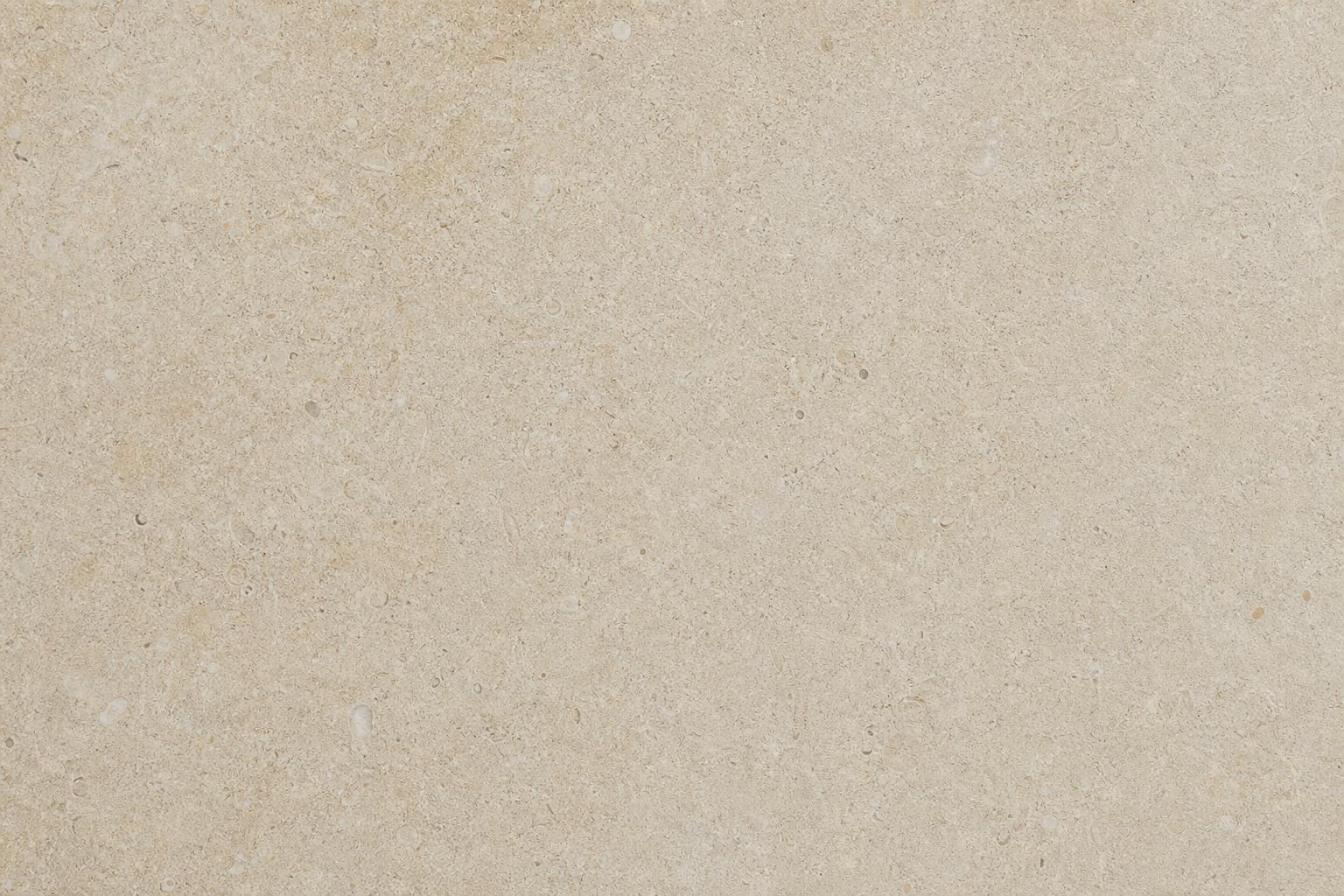
Limestone is a sedimentary stone, often containing fossil fragments. It is softer than marble and even more reactive to acids, which gives floors and walls an aged, quarried look over time.
Telltale traits
- uniform matte tone
- fossil inclusions
- soft warm color
Best for
- • Wall cladding
- • Low-traffic floors
- • Garden paving
- • Honed bath floors
Avoid for
- • Kitchen counters
- • Wet bars with citrus
Cleaning routine
Daily
Dust mop or soft cloth with water only.
Weekly
pH-neutral stone cleaner; never acidic.
Deep clean
Professional honing to remove etches and scratches.
Sealing
Yes — Every 6–12 months
Apply a high-quality penetrating sealer.
What to avoid
All acidsVinegarCitrusBleachStiff brushes
When to call a pro
Etches, deep scratches, and large stains usually need professional restoration.
Safe products & ingredients
Stone family: Calcium-based (acid-sensitive)
Use these products
- • pH-neutral stone cleaner (e.g. MB Stone Care MB-5, Granite Gold Daily Cleaner, Method Daily Granite)
- • Microfiber cloth + warm distilled water for daily wipe-downs
- • Impregnating penetrating sealer (e.g. Miracle 511, Aqua Mix Sealer's Choice Gold) every 6–12 months
- • Marble polishing powder for light etches
Look for these ingredients
- • Neutral pH 7–8 surfactants
- • Distilled or filtered water
- • Food-grade mineral oil (only on honed soap residue test patches)
- • Calcium carbonate / cerium oxide polishing compounds
Never use on this stone
Avoid these products
- • Vinegar, lemon juice, or any citrus cleaner
- • Bleach, ammonia, or all-purpose sprays (Windex, Lysol, 409, Mr. Clean)
- • Tub & tile or grout cleaners (CLR, Lime-A-Way, Soft Scrub)
- • Bar Keepers Friend, Magic Eraser, or any abrasive pad
- • DIY baking-soda + vinegar pastes
Scan labels for these ingredients
- Acetic acid (vinegar)
- Citric acid
- Hydrochloric / muriatic acid
- Phosphoric acid
- Sodium hypochlorite (bleach)
- Ammonium hydroxide (ammonia)
- Oxalic acid
Do's and don'ts at a glance
Do
- Blot — never wipe — spills immediately, especially wine, coffee, oil, and citrus
- Use coasters, trivets, and cutting boards on counters
- Dust mop floors before damp mopping with a neutral cleaner
- Reseal on a 6–12 month cadence; test with a water bead
Don't
- Don't let acidic foods sit — even a lemon slice etches in minutes
- Don't scrub with green pads, steel wool, or scouring powder
- Don't use 'natural' or 'green' cleaners without checking the pH
- Don't apply waxes or topical sealers that build a film
Frequently asked questions
Does limestone scratch easily?
Yes — it is softer than marble. Use felt pads under furniture and avoid abrasive scrubbing.
Can limestone go outdoors?
Yes, but seal it well and avoid harsh freeze-thaw climates without proper installation.
Popular Limestone varieties
Step-by-step guides
How to clean Limestone
Limestone is porous and reacts to acid like marble. A soft, neutral cleaner is the only safe choice — here's the routine and what to avoid.
How to seal Limestone
Limestone needs more frequent sealing than marble — sometimes twice a year. Use this sealer choice and dwell time to get it right.
How to polish Limestone
Limestone holds a honed finish better than a polished one. Here's how to restore the soft sheen most owners actually want.
How to remove oil stains from Limestone
Limestone is highly porous and oil migrates underground fast. Multiple poultice cycles are usually needed — here's the patient method.
How to remove wine stains from Limestone
Wine and limestone are a nightmare combo — both stain and etch. Lift the color first, then deal with the dull spot. Here's the order.
How to remove rust stains from Limestone
Rust on limestone calls for the gentlest possible poultice. Skip the iron removers — they'll dissolve the stone along with the stain.
How to remove water rings stains from Limestone
Most water rings on limestone are etch marks. Here's the test to confirm, and the gentle polish that restores the sheen.
How to repair etch marks on Limestone
Limestone etches more easily than marble. Polishing powder works, but only on honed finishes — here's the right approach for each finish.
How to repair scratches on Limestone
Limestone scratches blend more easily because the stone is uniform. Fine compound + light pressure — here's the method.
How to repair chips on Limestone
Limestone chips often crumble at the edges. Stabilize first, then fill with color-matched epoxy. Here's the order.